The used cooking oil is monitored using radar and the fuel and lubricants are monitored using tank, which enhance efficiency in operations.
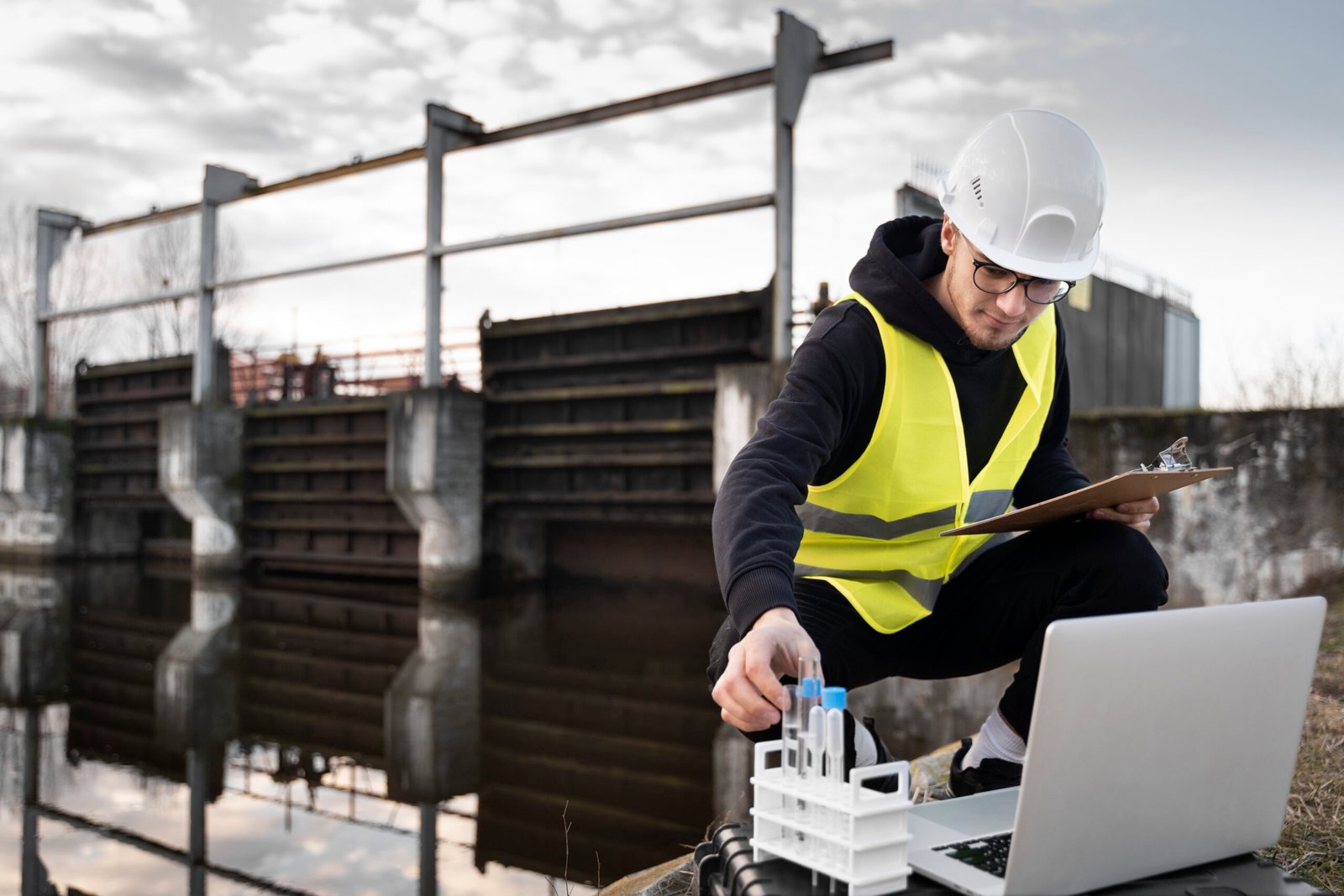
The used cooking oil is monitored using radar and the fuel and lubricants are monitored using tank, which enhance efficiency in operations.
The control of liquids in the industrial environment should be properly managed by precise and dependable monitoring systems. The used cooking oil radar monitoring and fuel and remote tank monitoring solution wisconsin are critical in ensuring business remain safe, avoid overflows, and collect and store fuels and lubricants in the most efficient manner. These systems offer high-quality level measurement of numerous tanks using modern radar technology, which guarantees a smooth process and compliance to regulations.
Radar Monitoring for used oil is especially helpful in the case of used cooking oil tanks. The oil content is very important in measuring the level of oil in restaurants, food processing plants, and collection services. Tanks that become overfilled may create spills and expensive cleanups, whereas poorly monitored tanks may cause a delay of collection times. Radar sensors are non-contact and get the most precise measurements that are not influenced by foam, vapor and temperature changes, thus they are best used in monitoring the viscous liquids like used cooking oil.
Likewise, fuel and lubricant tank monitors play an important role in industrial and commercial use. These sensors give real-time information on the amount of fuel, the usage trends and likely leaks. Automated monitoring can be used in businesses that require the use of diesel, gasoline, or lubricants in order to avoid unwarranted shortage and enhance logistics planning. Wireless telemetry is also commonly present in modern systems, providing operators with a chance to view tank data remotely, which will save time and minimise the number of inspections to be performed manually.
Regulatory compliance is also assisted through incorporation of radar-based monitoring in operations and tank monitoring system. On the example, the measurements of the used cooking oil should be recorded properly to meet the environmental standards on the collection and disposal of the same. Similarly, correct checkups of fuel and lubricant tanks also enable businesses to monitor the consumption levels, detect the discrepancy and avoid unauthorized access or theft.
The other important benefit is data reporting. High-tech tank monitoring systems are able to relay real-time level measurements, past behavior, and notifications through web interfaces or mobile apps. Businesses are able to plan collections using the actual measurements and not approximations which enhances efficiency and lowers the cost of operations. Also, such systems may be connected to Enterprise Resource Planning (ERP) software to have a centralized overview of inventory and utilization that will be better used to make decisions.
Radar surveillance with tank monitors has been found to be very handy especially when a company is operating a number of tank locations. Remote telemetry enables operators to centralize information, identify the anomalies at the early stage, and come up with a decision promptly. Such a proactive strategy lowers downtime, the possibility of accidents, and the overall productivity.
In summary, the application of radar and tank monitors on used cooking oil and fuel and lubricants respectively will guarantee the correct, safe and efficient practices. This benefits businesses by providing an accurate measurement, real-time access of data, regulatory compliance and better logistics. Investment in these sophisticated monitoring systems will be an intelligent move towards operational efficiency, cost reduction and sustainability.
Discover premium luxury t shirts crafted from high-quality fabrics for comfort and style. Our cashmere shirts offer soft texture, elegant design, and timeless fashion for everyday luxury.
Sporty and Rich meets Veronica Beard in modern luxury fashion. Dolcezza